Guide
How restaurant loyalty programmes work — and why points alone aren't enough
Published
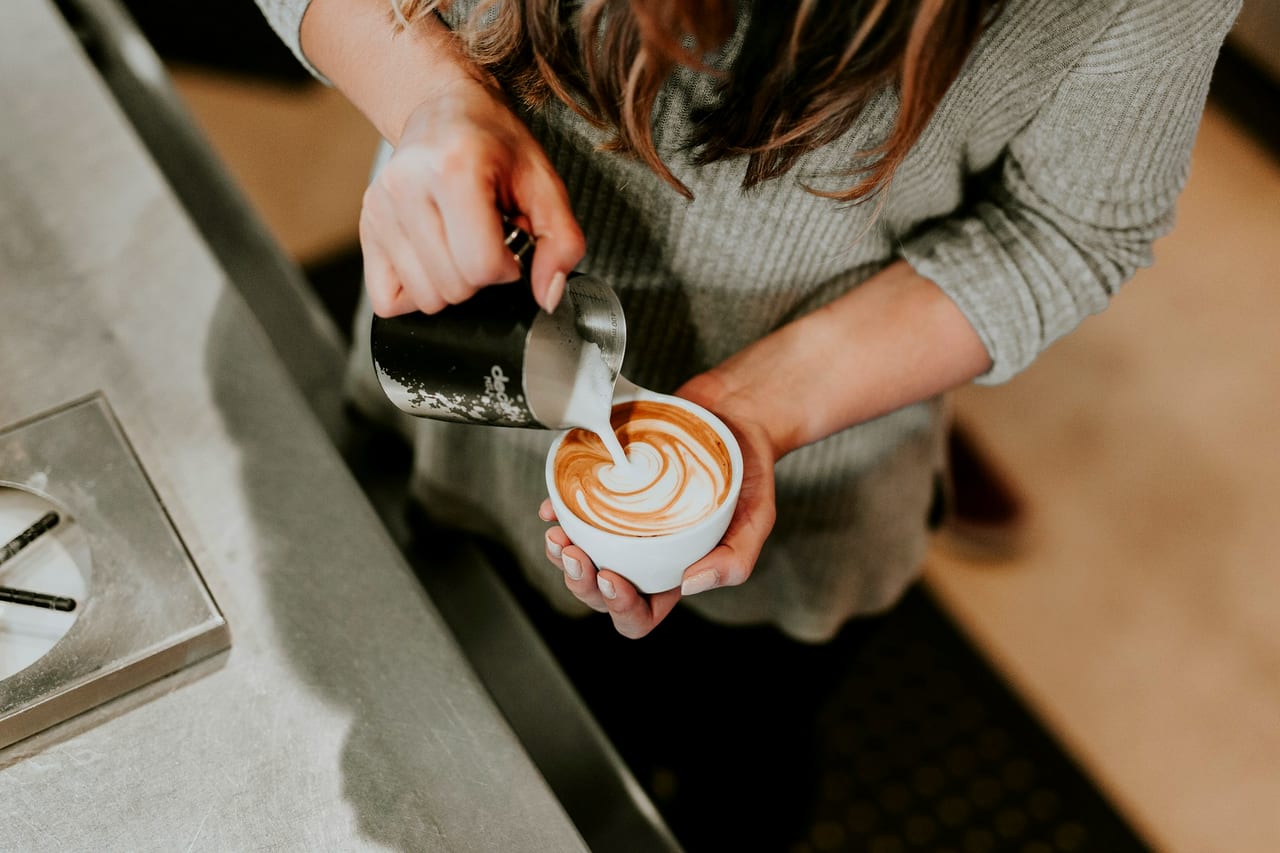
Ask most owners what a loyalty programme is and you’ll hear four steps: visit, spend, collect, return. A guest buys a coffee, gets a stamp, and ten stamps later the next one is on the house. It’s simple and familiar, and it works — up to a point.
This guide explains how restaurant and café rewards programmes work, what each side gets out of them, and why the venues that earn real loyalty treat rewards as the start of a relationship rather than the whole of it.
Why regulars matter so much
Hospitality runs on regulars. A guest who comes back already knows the menu and already trusts the venue, while every new guest has to be found, persuaded and served for the first time.
The economics are well documented. Research summarised in the Harvard Business Review found that winning a new customer can cost several times more than keeping an existing one, and that small gains in retention can lift profits considerably. A busy room on a quiet midweek night is usually a room full of people who have been before.
That is the whole case for a loyalty programme: give guests a reason to choose you again, and make sure they know you noticed.
How a rewards programme works
Almost every programme follows the same loop:
- Earn. The guest builds up value with each visit or each purchase.
- Redeem. At a threshold, that value becomes something they want.
- Return. The next reward brings them back sooner than they would otherwise have come.
What changes is the mechanism:
- Stamps or punch cards — easy to explain and cheap to run, but they reward frequency and say nothing about who the guest is.
- Points — more flexible and they reward bigger spends, but balances are abstract and easily forgotten.
- Tiers — guests move up levels and unlock better perks. Status motivates, but tiers need ongoing care to stay meaningful.
- Paid memberships — a fee for standing benefits. They can build a committed core, but only when the value is obvious.
The best programme is the one your team can explain in one sentence at the counter and keep running on a busy Friday.
What guests get out of it
The obvious benefit is value. But when people describe the places they are genuinely loyal to, they rarely mention the discount. They talk about recognition (being greeted by name, their usual remembered), relevance (offers that fit what they actually order) and ease (no app to download, no form at the counter).
What venues get out of it
A well-run programme brings guests back sooner, helps fill quieter services, builds a direct relationship that doesn’t depend on a third-party marketplace, and teaches you what your regulars order, when and how often.
Why “visit, spend, collect, return” isn’t enough
The classic loop treats loyalty as a transaction, and transactions are easy to copy. If the café next door offers a better card, a purely transactional regular has every reason to switch.
Lasting loyalty is relational: a guest feels the venue knows them and looks after them. The useful question isn’t “how do we give away more points?” but “how do we turn every interaction into a stronger relationship and a better reason to come back?”
Every interaction is a signal
A guest’s relationship with a venue is built across many moments — the call to ask about a table, the booking with a birthday mentioned, the weekly collection order, the hotel stay that repeats every spring. Each is a chance to recognise someone, and each is lost if the moment is missed. A call that rings out isn’t just a lost booking; it’s a regular who has learned you’re hard to reach.
That is why answering every call matters well beyond the booking itself. When every booking lands in the diary with the guest’s details captured correctly, a venue has the foundation any relationship with a regular is built on.
Doing it responsibly
Loyalty runs on guest information, so it has to be earned honestly. Collect only what you will use, tell guests plainly what you keep and why, ask for clear consent before any marketing, make opting out a single step, and keep records secure. Data-protection and e-marketing rules in your market set the baseline — treat them as the floor, not the goal.
Where BitePerk is heading
We started BitePerk so that no guest’s call goes unanswered. The more venues we work with, the clearer it becomes that answering the phone is only the first moment of a much longer relationship.
We’re exploring how the interactions our products handle can help venues recognise their guests and give them better reasons to return, without adding friction for anyone. We’ll share more when there’s something real to show.
Getting started
Start small: pick one simple reward, make sure every guest can reach you, and pay attention to who comes back. The relationship matters more than the mechanism. If you’d like to talk about making sure every call is answered, book a pilot with us.
Built for
-
 Live in Australia · pilots in new markets
Restaurants
Every booking call answered, even mid-service.
-
 Live in Australia · pilots in new markets
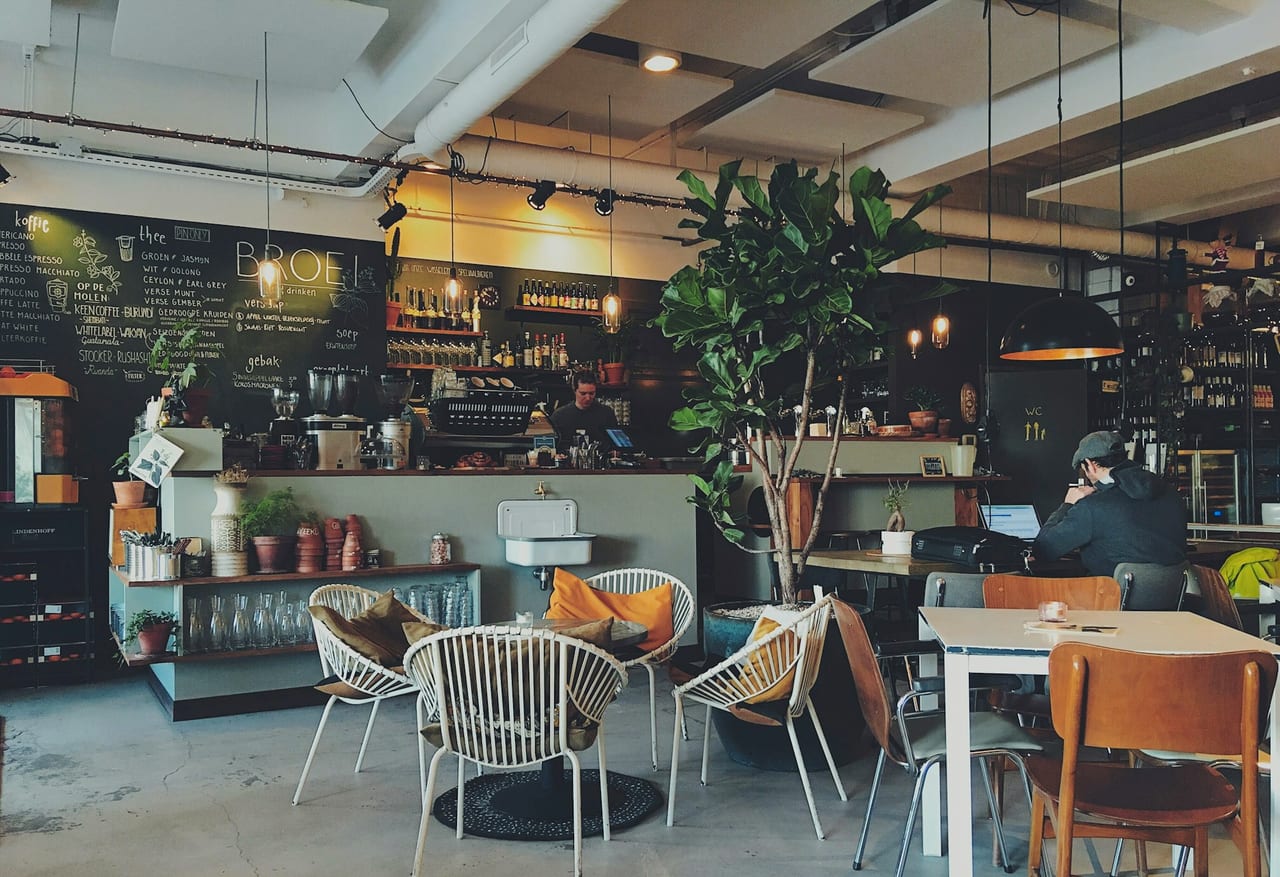
Cafés
The café phone, answered while you are on the machine.
-
 In development · pilot partners wanted
Hotels
The room-booking call, answered in the guest's language.