Guide
Do diners actually want to talk to an AI on the phone?
Published

It is the first thing nearly every owner asks: “Won’t my guests hate talking to a robot?” It is a fair worry — your venue’s warmth is the whole point, and the last thing you want is a cold, frustrating phone experience. So here is the honest answer, including the parts that are not flattering.
What diners actually care about
Most of the hand-wringing misses one thing: diners do not call to enjoy the phone call. They call to get something done — book a table, change a time, ask if you are open. What they care about is being helped quickly and correctly. Whether that happens through a person or a capable voice agent matters far less than whether it happens at all.
Put yourself in the caller’s shoes. Which is the better experience?
- Ringing out after eight rings, then a voicemail you are not sure anyone checks.
- Being put on hold during the dinner rush while someone finds a pen.
- Reaching a call centre that does not know your room or your menu.
- A friendly voice that picks up on the first ring and has you booked in thirty seconds.
The honest comparison is not “AI versus a perfect human host”. It is “AI versus the call that did not get answered”. On that comparison, a good voice agent wins easily — and guests feel looked after, not fobbed off.
The bar it has to clear
That said, not all AI is good, and a bad bot will annoy your guests. To actually delight callers, a phone host has to:
- Sound natural. A voice that fits the room, says local place names properly and does not feel like a script read from somewhere else.
- Be fast and to the point. No menu trees, no “press 1 for bookings”. Just a conversation.
- Actually complete the task. Check real availability, take the booking, get the details right and read them back.
- Know when to hand off. For the rare complex or sensitive call, a good system passes the caller to a person on your own line rather than pretending.
- Say what it is. A host that admits it is an AI when it answers earns more trust than one that hopes nobody notices.
Clear that bar and the “robot” worry evaporates — because it no longer feels like a robot. It feels like someone finally picked up.
What to ask before you decide
Ask to hear it on a real call before you commit to anything. Ask what happens when it is unsure. Ask where the booking lands and whether your team can see the transcript afterwards. A vendor who cannot answer those plainly is telling you something.
That is how Vox is built: a natural voice that answers every call, books the table and hands off gracefully when it should. It is live for restaurants in Australia today and available as a pilot outside Australia — judge it the way your guests would, on a test line to your own venue.
Built for
-
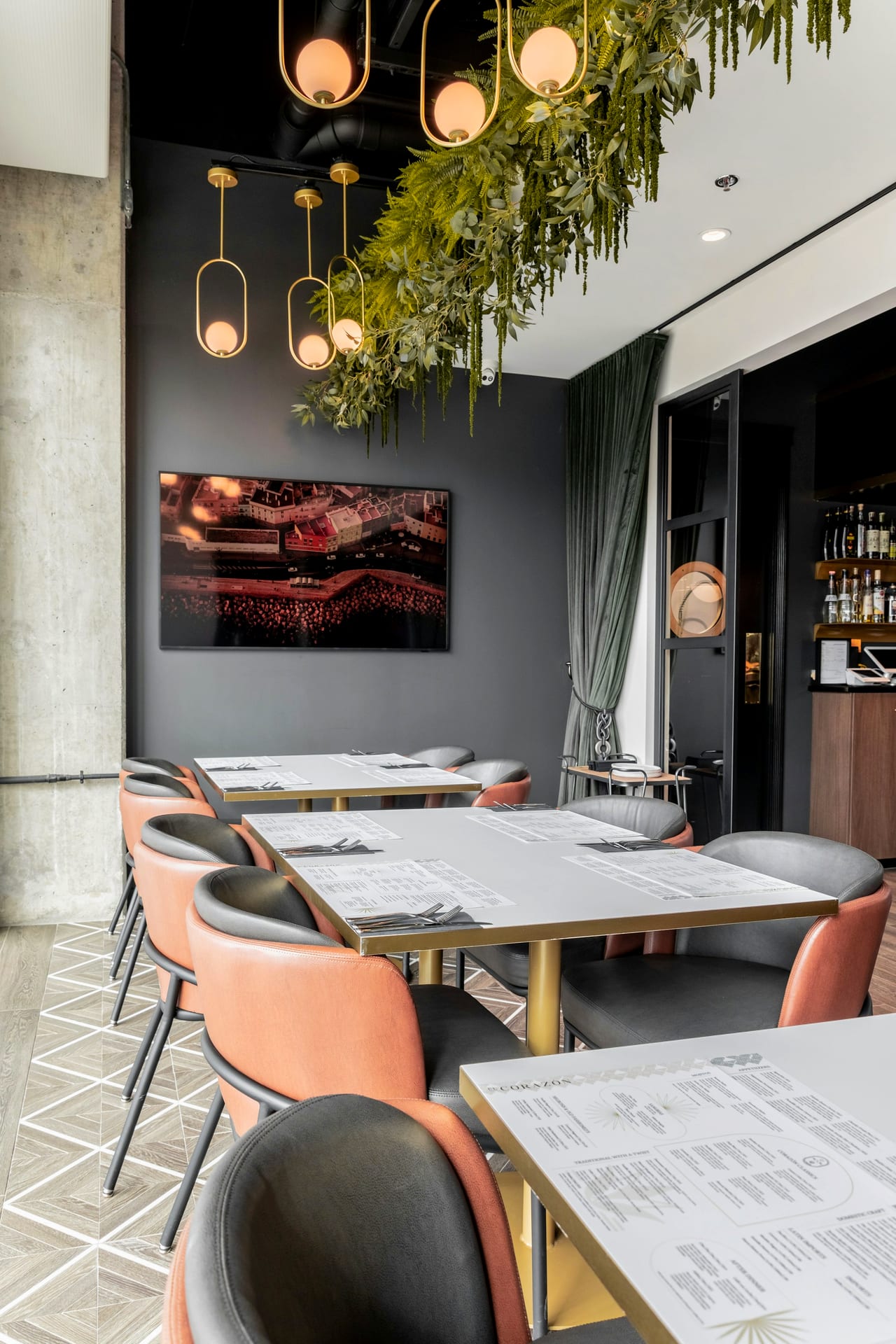 Live in Australia · pilots in new markets
Restaurants
Every booking call answered, even mid-service.
-
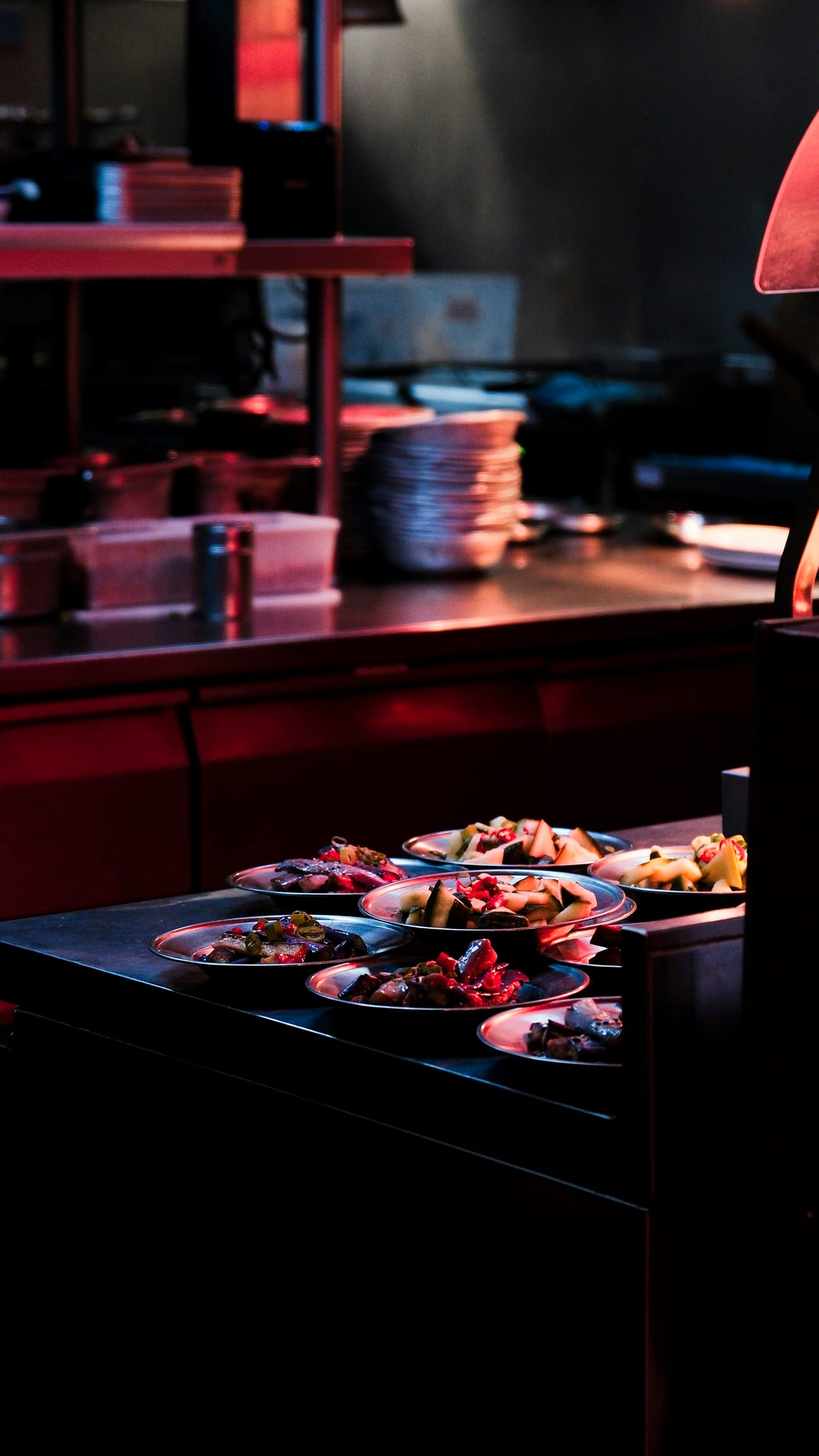 Live in Australia · pilots in new markets
Takeaway & collection
Every order picked up, even when the kitchen is on the floor.