Guide
How many bookings does a UK restaurant lose to missed calls during service?
Published
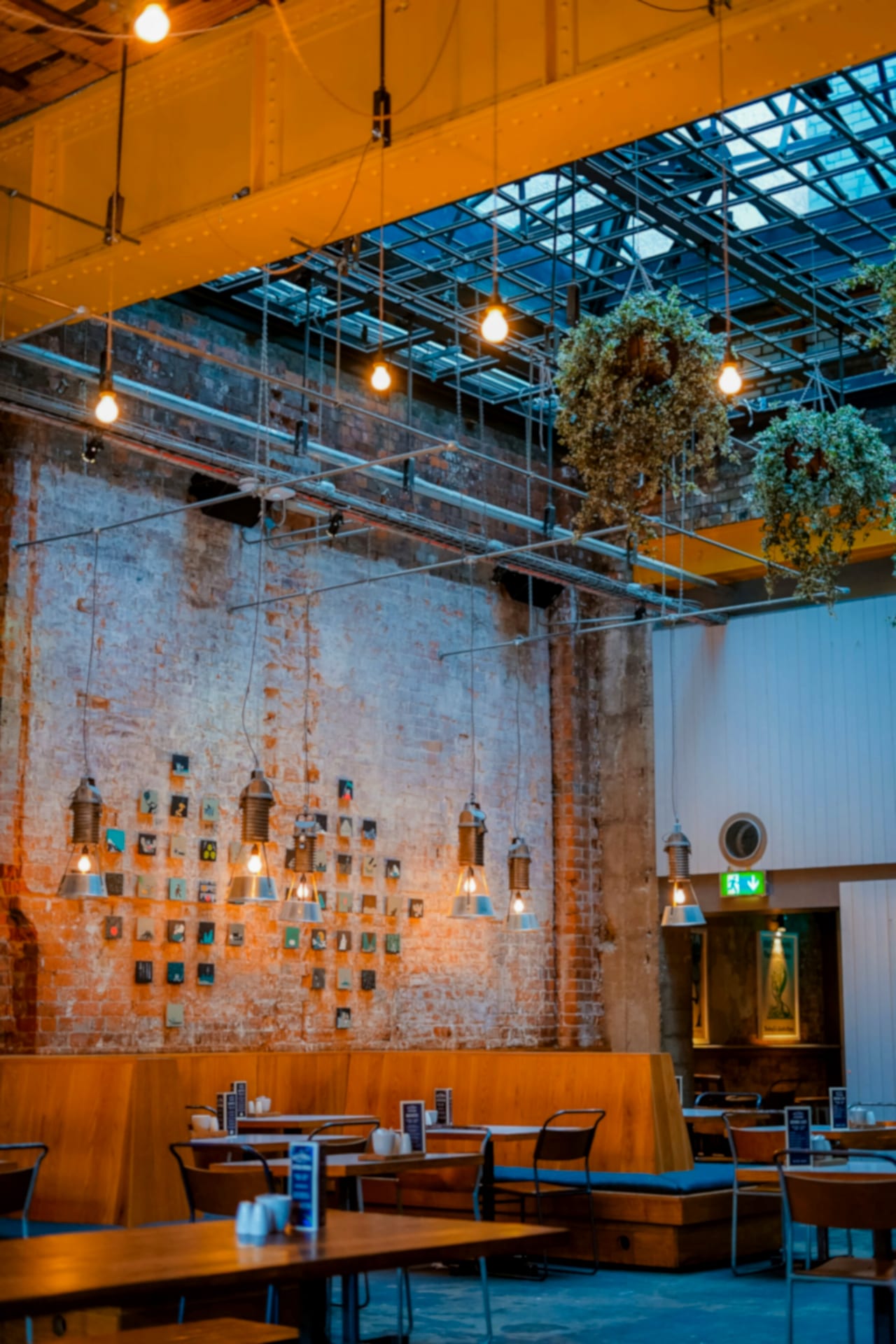
Every service has the same moment. The room is full, three tables want their bill, a delivery is at the back door — and the phone starts ringing. Nobody has a free hand. It rings out. Whoever was calling books the place across the road instead.
That call was worth money, and you will never see it on a report, because a call that never got answered leaves no trace. This guide is about making that invisible loss visible, and then closing it.
Why the phone rings at the worst possible time
The calls you miss are not spread evenly through the day. They cluster into service — Friday and Saturday evenings, Sunday lunch, the pre-theatre rush — because that is when diners are thinking about eating out and when your team is most stretched. The overlap is the whole problem: peak demand on the phone lands exactly on top of peak demand on the floor.
And the calls that ring out during service are rarely the cheap ones. A two-top might book online. It is the larger, higher-value enquiries that still pick up the phone: a birthday for twelve, a corporate group, a party checking whether the kitchen holds until eleven, someone asking about a set menu for a private room. Those callers want a person, they want an answer now, and if they do not get one they move on within minutes.
A simple way to estimate the loss
You do not need a study to size this. You need three numbers you can get from your own phone and diary.
- Missed calls during service. Ask your provider for a call log, or count for one busy week. Most venues are surprised — a single Friday night can carry a handful of unanswered calls once the floor is full.
- How many callers were trying to book. Not every missed call is a booking; some are suppliers, some are wrong numbers. A fair working assumption is that a meaningful share of evening inbound calls are booking or enquiry calls.
- Your average spend per cover. You already know this.
Multiply missed booking calls by covers per booking by average spend, over a month, and the figure stops being abstract. Even a conservative version of this sum tends to land at more than the cost of fixing it. The point is not the exact number — it is that the number is not zero, and it is recurring every single week.
The usual fixes, and where they fall down
- Voicemail. A diner who reaches voicemail during service has already been let down once; most hang up and call elsewhere rather than leave a message and wait. Voicemail records the loss, it does not prevent it.
- An answering service. A human call centre can pick up, but it does not know your diary, your room or tonight’s covers, so it takes a message rather than confirms a table — and the booking still is not made when the caller hangs up.
- “We’ll call them back.” Callbacks depend on someone finding a gap that, during service, does not come. By the time it does, the table is booked somewhere else.
Each of these treats the phone as an interruption to be managed later. During service, later is too late.
What actually closes the gap
The fix is to answer every call immediately, check the real diary, and confirm the booking before the caller hangs up — without pulling anyone off the floor. That is exactly what an AI phone host does. Vox picks up on the first ring in a warm, natural voice, reads your genuine availability, books the table, and hands over to a person the moment a call stops being routine.
Vox runs live for restaurants in Australia today. In the UK it is opening pilot partners now — so a venue here can put it on the calls that would otherwise ring out and measure the difference against its own missed-call log.
The bookings you lose to a ringing phone are the easiest ones to win back, because you were never competing for them — you just were not there to say yes. Start by counting a single busy week. The number will tell you the rest.
Working out the numbers for your venue? See how Vox handles a full room in London, or book a pilot and we will look at your own call log together.
Built for
-
 Live in Australia · pilots in new markets
Restaurants
Every booking call answered, even mid-service.
-
 Live in Australia · pilots in new markets
Takeaway & collection
Every order picked up, even when the kitchen is on the floor.